

Discover authentic cultural experiences in Tanzania and learn how responsible tourism supports local communities, livelihoods, women, youth, crafts, and conservation.
A Tanzania safari is about more than seeing lions on the Serengeti, watching elephants in Tarangire, or following the Great Migration.
It is also about meeting the people who call these landscapes home.
From sharing stories with Maasai communities near the Serengeti and Ngorongoro to learning traditional farming practices on the slopes of Mount Kilimanjaro, exploring local markets, taking part in cooking experiences, or discovering Swahili culture in Zanzibar, cultural experiences can add an entirely different dimension to a Tanzania holiday.
But there is an even more important question:
Can tourism create meaningful benefits for the communities travelers visit?
When designed responsibly, the answer is yes.
Tanzania’s cultural tourism experiences can create opportunities for local guides, artisans, farmers, performers, women and youth while helping preserve cultural heritage and encouraging travelers to understand the communities behind the destination.
The Tanzania Tourist Board describes cultural tourism as an experience that can benefit both visitors and local people, with communities generating income from sharing their culture and visitors gaining memorable experiences.
At Legacy Destinations & DMC, we believe a great safari should leave more than memories behind.
It should create a positive legacy.
What Is Cultural Tourism in Tanzania?
Cultural tourism means traveling to learn about and experience the traditions, history, lifestyles, food, arts, music and heritage of local communities.
In Tanzania, that can mean many different things.
A cultural experience might involve:
- Visiting a community with a local guide
- Learning traditional cooking techniques
- Meeting local artisans
- Visiting a village market
- Learning about traditional agriculture
- Participating in music or dance
- Hearing oral histories and traditional stories
- Visiting historical and archaeological sites
- Learning about traditional architecture
- Exploring Swahili coastal culture
- Purchasing locally produced crafts
- Walking through community-managed landscapes
Tanzania is exceptionally diverse, with more than 120 ethnic groups and a wide range of cultural traditions, languages, arts and lifestyles.
That diversity means cultural tourism doesn’t have to be limited to one community or one type of experience.
Why Cultural Experiences Matter on a Tanzania Safari
Wildlife may bring travelers to Tanzania, but culture can help them understand the destination on a deeper level.
Imagine spending the morning watching a pride of lions in the Serengeti.
Later that day, instead of simply returning to your lodge, you meet a local community member who explains how people have lived alongside wildlife for generations.
Suddenly, the landscape becomes more than a beautiful photograph.
You begin to understand the relationship between people, wildlife, land and tradition.
That connection is one of the most valuable parts of responsible travel.
1. Cultural Tourism Creates Local Employment
One of the most direct benefits of cultural tourism is employment.
A cultural experience can involve several members of a community:
- Local guides
- Drivers
- Cultural interpreters
- Artisans
- Farmers
- Cooks
- Musicians
- Performers
- Community coordinators
- Small business owners
Rather than tourism revenue remaining entirely within the conventional tourism supply chain, community-based experiences can allow more value to remain within the destination.
This is particularly important in rural areas where employment opportunities may be limited.
2. It Creates Opportunities for Women and Youth
Cultural tourism can create opportunities for people who may not traditionally participate in the formal tourism industry.
Women can participate through:
- Handcraft production
- Beadwork
- Textile production
- Food and cooking experiences
- Small-scale businesses
- Cultural interpretation
- Hospitality
Young people can develop skills as:
- Local guides
- Cultural interpreters
- Entrepreneurs
- Performers
- Digital storytellers
- Hospitality professionals
Community tourism initiatives in Tanzania have demonstrated how tourism-related activities can contribute to income opportunities for women and youth. A UNDP-supported programme around Lake Natron, for example, reported increased incomes among more than 100 young people and women through cultural tourism, ecotourism and tour-guide activities.
3. Buying Local Crafts Can Support Artisans
A beautiful piece of Tanzanian craftsmanship can become more than a souvenir.
It can represent someone’s skill, creativity and livelihood.
Depending on the destination, travelers may encounter:
- Maasai beadwork
- Makonde carvings
- Kanga fabrics
- Kitenge textiles
- Handmade baskets
- Paintings
- Jewelry
- Traditional household items
Tanzania’s Makonde communities are internationally recognized for their wood carving traditions, while Kanga and Kitenge fabrics are important elements of Tanzanian and Swahili culture.
Whenever possible, travelers should purchase authentic locally produced crafts directly from artisans or reputable community enterprises.
The objective isn’t simply to buy something, it is to help ensure that the value of tourism reaches the person who created it.
4. Cultural Tourism Helps Preserve Traditional Knowledge
Culture is not something that belongs only in museums.
It is living knowledge passed between generations.
Traditional knowledge can include:
- Storytelling
- Food preparation
- Farming techniques
- Herbal knowledge
- Music
- Dance
- Craftsmanship
- Architecture
- Livestock traditions
- Oral history
When travelers show genuine interest in these traditions, there can be an economic incentive to preserve and teach them.
This doesn’t mean cultures should be frozen in time for tourists.
Responsible cultural tourism should allow communities to decide what they want to share, how they want to share it, and how tourism benefits them.
5. Community Tourism Can Support Conservation
In Tanzania, culture, communities and wildlife conservation are often closely connected.
Many communities live around protected areas and wildlife corridors.
When tourism provides legitimate economic opportunities connected to conservation, local residents can have stronger incentives and resources to participate in protecting natural resources.
Tanzania’s tourism authorities highlight community-based wildlife sanctuaries as initiatives that can both protect natural resources and generate sustainable livelihoods.
A UNDP-supported Wildlife Management Area in Tanzania provides another example: communities involved in managing the area have benefited from conservation initiatives, including support for local education.
This illustrates an important principle:
Conservation works best when local communities are part of the solution.
6. Food Experiences Put Tourism Money Into Local Economies
Some of the most memorable cultural experiences can happen around a table.
Travelers can discover Tanzania through:
- Traditional cooking classes
- Local markets
- Coffee experiences
- Farm visits
- Village meals
- Swahili cuisine
- Local fruit and produce
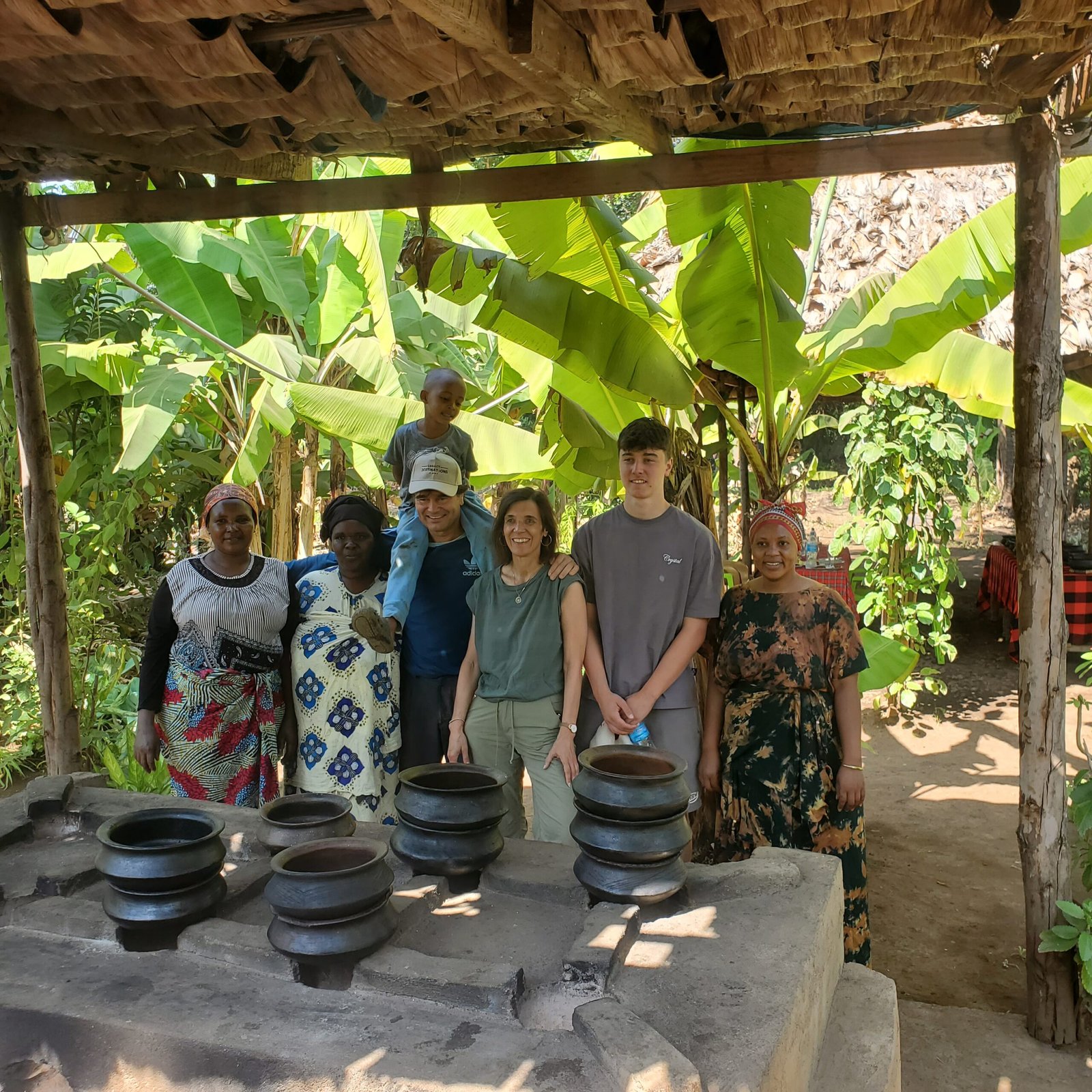
A cooking experience can connect several parts of the local economy at once.
A farmer may grow the ingredients.
A local cook may prepare the meal.
A guide may explain the traditions behind it.
A community may host the experience.
Instead of simply eating dinner, the traveler becomes part of a much bigger story.
7. Coffee Experiences Around Mount Kilimanjaro
The slopes of Mount Kilimanjaro are home to communities with long agricultural traditions.
A coffee experience can introduce travelers to:
- Coffee cultivation
- Harvesting
- Processing
- Roasting
- Traditional farming
- Local livelihoods
For travelers climbing Mount Kilimanjaro or visiting northern Tanzania, adding a community coffee experience can provide a meaningful cultural complement to a wildlife safari.
8. Maasai Cultural Experiences in Northern Tanzania
The Maasai are one of the best-known pastoral communities in East Africa, and their traditions are an important part of Tanzania’s cultural landscape.
Visitors may have opportunities to learn about:
- Pastoral traditions
- Traditional homes
- Beadwork
- Music and dance
- Livestock
- Community life
- Local history
The Tanzania Tourist Board specifically highlights Maasai cultural experiences around the Serengeti and Ngorongoro areas.
However, a responsible cultural experience should go beyond simply watching a performance.
The best experiences encourage genuine interaction and learning while respecting the community’s dignity, privacy and cultural boundaries.
9. Chagga Culture Around Mount Kilimanjaro
The Chagga communities live around the slopes of Mount Kilimanjaro and have developed agricultural traditions adapted to the mountain environment.
A cultural visit may introduce travelers to:
- Traditional farming
- Banana cultivation
- Local food
- Coffee
- Historical sites
- Traditional homes
- Community stories
For travelers visiting Kilimanjaro, this can transform the mountain from a spectacular landscape into a place with a human history.
10. Discovering Swahili Culture in Zanzibar
Zanzibar provides a completely different cultural experience.
The islands have a long history shaped by African, Arab, Persian and Indian influences.
Visitors can discover this heritage through:
- Stone Town
- Spice experiences
- Local cuisine
- Traditional architecture
- Markets
- Music
- Art
- Historical sites
- Coastal communities
Stone Town is particularly important as a living expression of Swahili coastal heritage.
Tanzania’s official tourism authority describes the culture of Zanzibar and the wider coast as a blend of African, Arab, Persian and Indian influences.
A safari followed by several days exploring Zanzibar therefore creates more than a wildlife-and-beach holiday.
It becomes a journey through Tanzania’s natural and cultural heritage.
Cultural Tourism Should Benefit Communities — Not Just Visitors
This distinction is extremely important.
Not every activity marketed as a “cultural experience” automatically creates meaningful community benefits.
How Travelers Can Support Local Communities
Travelers have more influence than they may realize.
Here are simple ways to make your Tanzania safari more community-friendly.
Choose Local Guides
A local guide can provide knowledge that cannot be replicated by a guidebook.
They can explain local history, traditions, food, landscapes and everyday life.
Buy Directly From Local Artisans
Whenever possible, purchase authentic products from the people who made them.
Ask about the story behind the product.
Eat Local
Choose locally owned restaurants and community food experiences where appropriate.
Ask Before Taking Photographs
People are not attractions.
Always ask permission before photographing individuals, homes or ceremonies.
Respect Cultural Boundaries
Not every tradition is intended for visitors.
A respectful traveler understands that saying “no” is perfectly acceptable.
Spend More Time in One Place
Slower travel can increase local economic benefits.
Instead of rushing through several destinations, consider spending additional time with communities and local businesses.
What Makes a Good Cultural Experience?
At Legacy Destinations & DMC, we believe a meaningful cultural experience should have five characteristics:
Authentic
The experience should reflect real community life rather than being manufactured purely for tourists.
Respectful
Visitors should enter communities as guests, not spectators.
Community-Involved
Local people should have a meaningful role in designing and delivering the experience.
Economically Beneficial
Tourism revenue should reach local people and businesses.
Educational
Travelers should leave with a deeper understanding of Tanzania and its people.
Cultural Experiences You Can Add to a Tanzania Safari
Depending on your itinerary, consider adding:
| Experience | Where It Fits | Potential Community Benefit |
|---|---|---|
| Maasai cultural visit | Serengeti / Ngorongoro | Guides, artisans, community enterprises |
| Coffee experience | Kilimanjaro / Arusha | Farmers and local producers |
| Traditional cooking | Arusha / Zanzibar | Local cooks, farmers and food producers |
| Craft workshop | Northern Tanzania / Zanzibar | Local artisans |
| Village walking tour | Community tourism areas | Local guides and businesses |
| Local market visit | Arusha / Zanzibar | Small traders and producers |
| Swahili cultural experience | Zanzibar | Local guides, cooks and artisans |
| Heritage visit | Across Tanzania | Local guides and cultural institutions |
Beyond the Safari: Travel That Leaves a Legacy
The most meaningful journeys often happen when travelers slow down.
When you leave the safari vehicle.
When you sit with a local family.
When you learn how coffee is grown.
When you listen to a story.
When you buy something made by hand.
When you taste food prepared using ingredients grown nearby.
These moments may not appear in the classic safari checklist, but they can become some of the memories you carry home.
And when tourism is thoughtfully designed, those experiences can create benefits that continue long after the traveler has left
Our Approach to Responsible Cultural Tourism
At Legacy Destinations & DMC, we believe travel should create a positive relationship between visitors and the destinations they explore.
Our approach is built around three principles:
Experience.
Travelers should have genuine opportunities to connect with Tanzania’s people, landscapes and culture.
Respect.
Cultural experiences should be approached with humility, consent and respect for local traditions.
Legacy.
Tourism should contribute to the communities and environments that make Tanzania extraordinary.
This is why we encourage travelers to look beyond the traditional safari itinerary and consider adding carefully selected community and cultural experiences.
Because your safari should not only be something you remember.
It should be something that leaves a positive legacy.
Frequently Asked Questions About Cultural Tourism in Tanzania
What are the best cultural experiences in Tanzania?
Popular experiences include Maasai cultural visits, Chagga community experiences around Mount Kilimanjaro, coffee and farm tours, traditional cooking, local craft workshops, village walks and Swahili cultural experiences in Zanzibar.
How does cultural tourism benefit local communities?
Cultural tourism can generate income and employment for local guides, artisans, farmers, cooks, performers and small businesses. It can also support cultural heritage preservation and community-led conservation initiatives.
Is visiting a Maasai village ethical?
It can be, provided the experience is community-led or meaningfully community-involved, respectful and transparent about how tourism revenue is distributed. Visitors should also respect photography and other cultural boundaries.
How can I support local communities during a Tanzania safari?
Choose local guides and community-based experiences, purchase authentic locally made crafts, eat at locally owned businesses where appropriate, and respect local customs and privacy.
Can cultural tourism support conservation in Tanzania?
Yes. Community-based tourism and wildlife management initiatives can connect tourism benefits with local participation in conservation. Tanzania has community-managed wildlife areas that combine livelihood opportunities with natural-resource protection.
What cultures can I experience in Tanzania?
Tanzania has more than 120 ethnic groups and diverse cultural traditions. Depending on your itinerary, you may encounter Maasai, Chagga, Swahili, Sukuma, Hadzabe and many other communities and cultural traditions.
Can I include cultural experiences in my Tanzania safari?
Yes. Cultural experiences can be incorporated before, during or after a safari, depending on the destination and the community experience available.
Plan a More Meaningful Tanzania Safari
The best Tanzania safari isn’t necessarily the one with the longest list of attractions.
Sometimes, it is the journey that helps you understand the place you are visiting.
Wildlife.
People.
Food.
Stories.
Traditions.
Landscapes.
Communities.
At Legacy Destinations & DMC, we create tailor-made Tanzania safaris that combine exceptional wildlife experiences with meaningful cultural encounters and responsible travel principles.
Your Safari, Your Legacy.